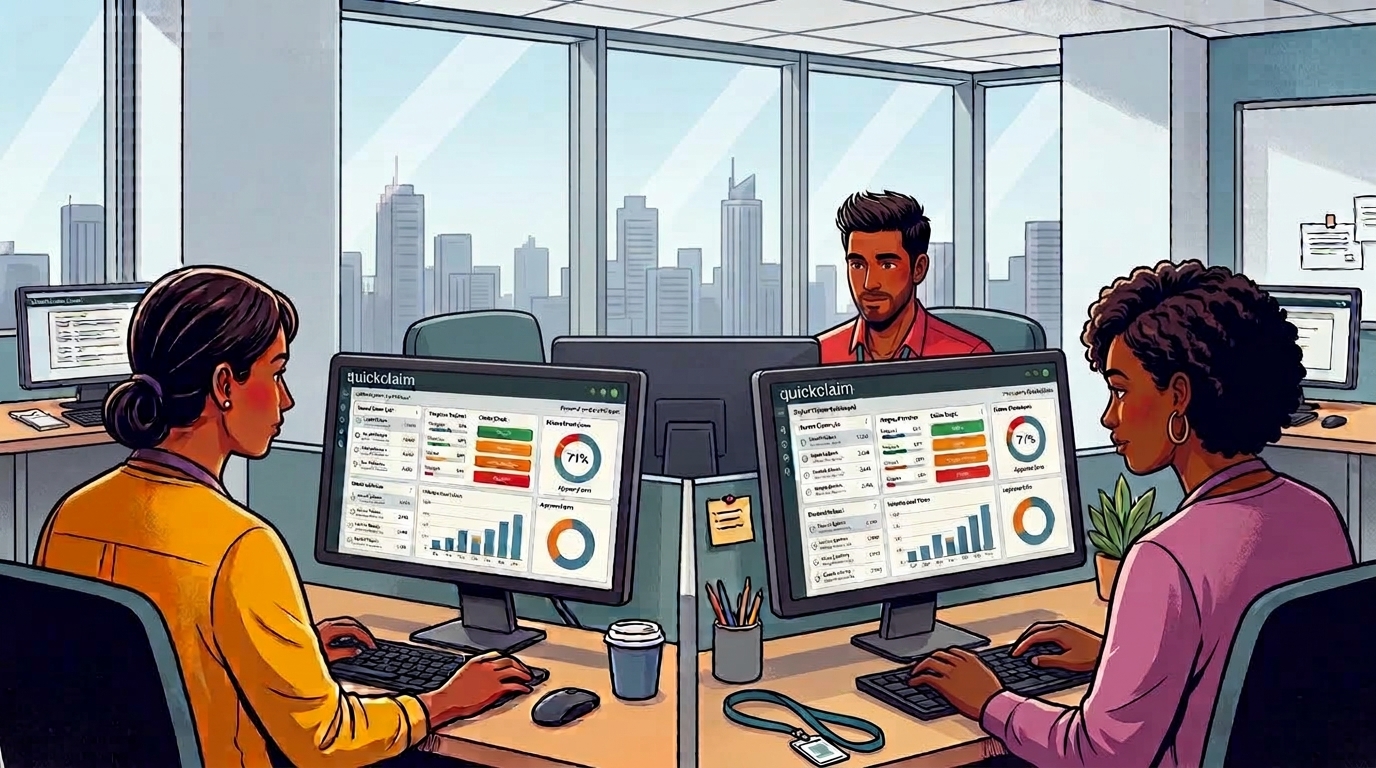
The most common reasons NDIS claims are rejected are insufficient remaining funding in the participant’s plan budget, incorrect claim details (date, price, or fund management type), the provider not being recorded as the participant’s registered “my provider” for NDIA-managed funding, and selecting the wrong support item for the service delivered.
Why do most NDIS claim rejections happen?
Most rejections trace back to a mismatch between what’s being claimed and what’s currently true in the participant’s plan or provider registration — not to the claim itself being poorly formed. By the time a claim reaches the myplace provider portal, the underlying issue (funding reallocated, a plan reviewed, a registration lapsed) often already existed; the portal is just where it surfaces.
The five most frequent rejection causes
- Insufficient plan funding — the relevant support category’s budget has already been drawn down or reallocated elsewhere in the participant’s plan.
- Incorrect claim details — an inaccurate date, price, or fund management type entered on the claim.
- Provider not recorded as “my provider” — required for claiming NDIA-managed funding; without it, claims can be rejected or take significantly longer (up to around 10 business days) to process.
- Wrong support item selected — the claimed line item doesn’t match what’s approved for that participant or doesn’t reflect the service actually delivered.
- Manual review outcome — a small share of claims are held for accuracy checks; if the review finds a genuine discrepancy, the claim can resolve to a rejection rather than a payment.
Is claim rejection more common with certain funding management types?
Agency-managed claims (submitted directly by the provider to the NDIA) depend most heavily on provider registration status and real-time plan data, since there’s no intermediary checking the claim before it reaches the NDIA. Plan-managed claims pass through a plan manager first, which can catch some errors before submission, but still fail for the same underlying reasons — wrong item, insufficient funding, incorrect details — once they reach the portal.